Simply Complex
A daughter’s reflection on love, resilience, and growing up with a mother living with schizophrenia.
Simply Complex,
Life with my Schizophrenic Mother
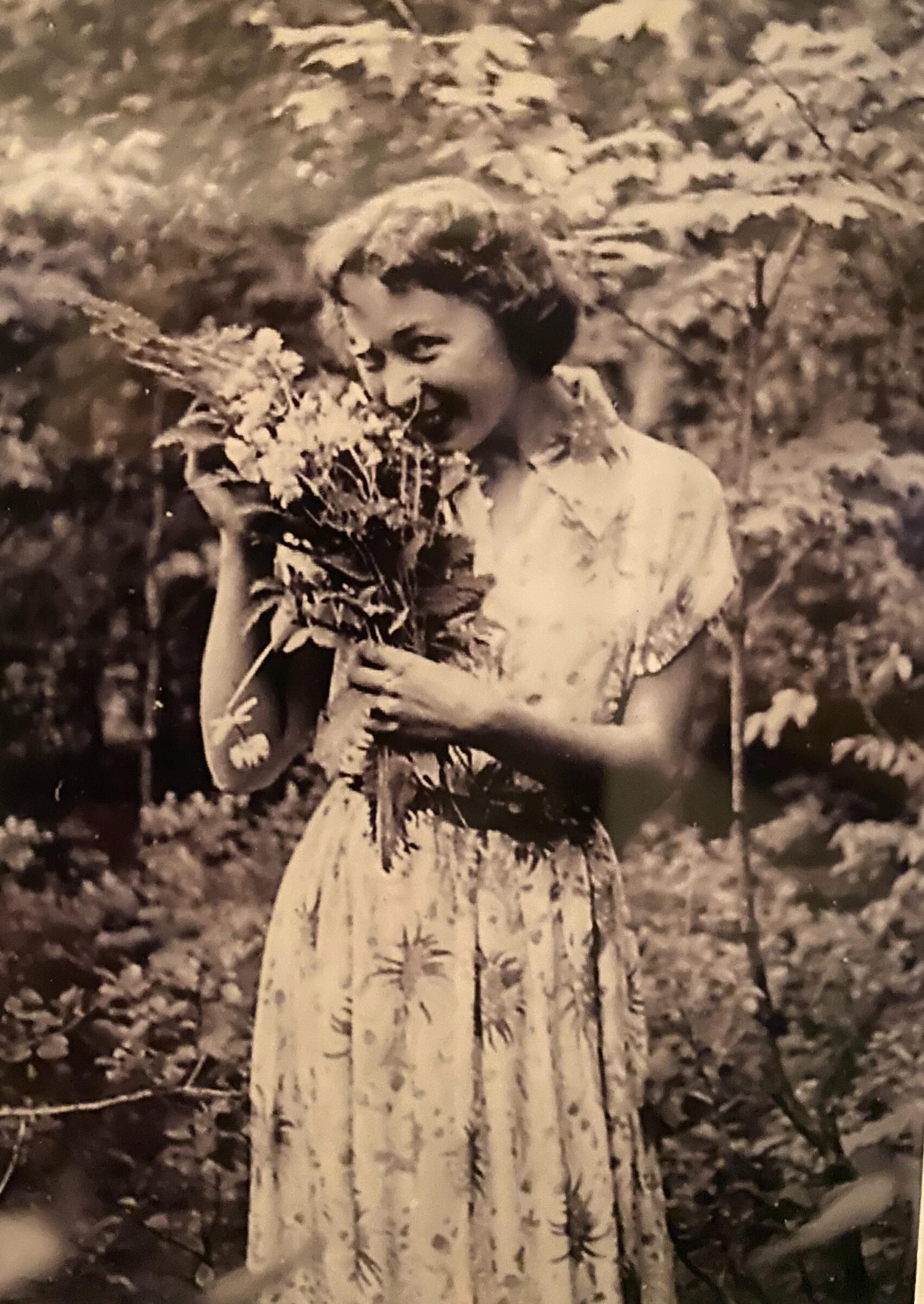
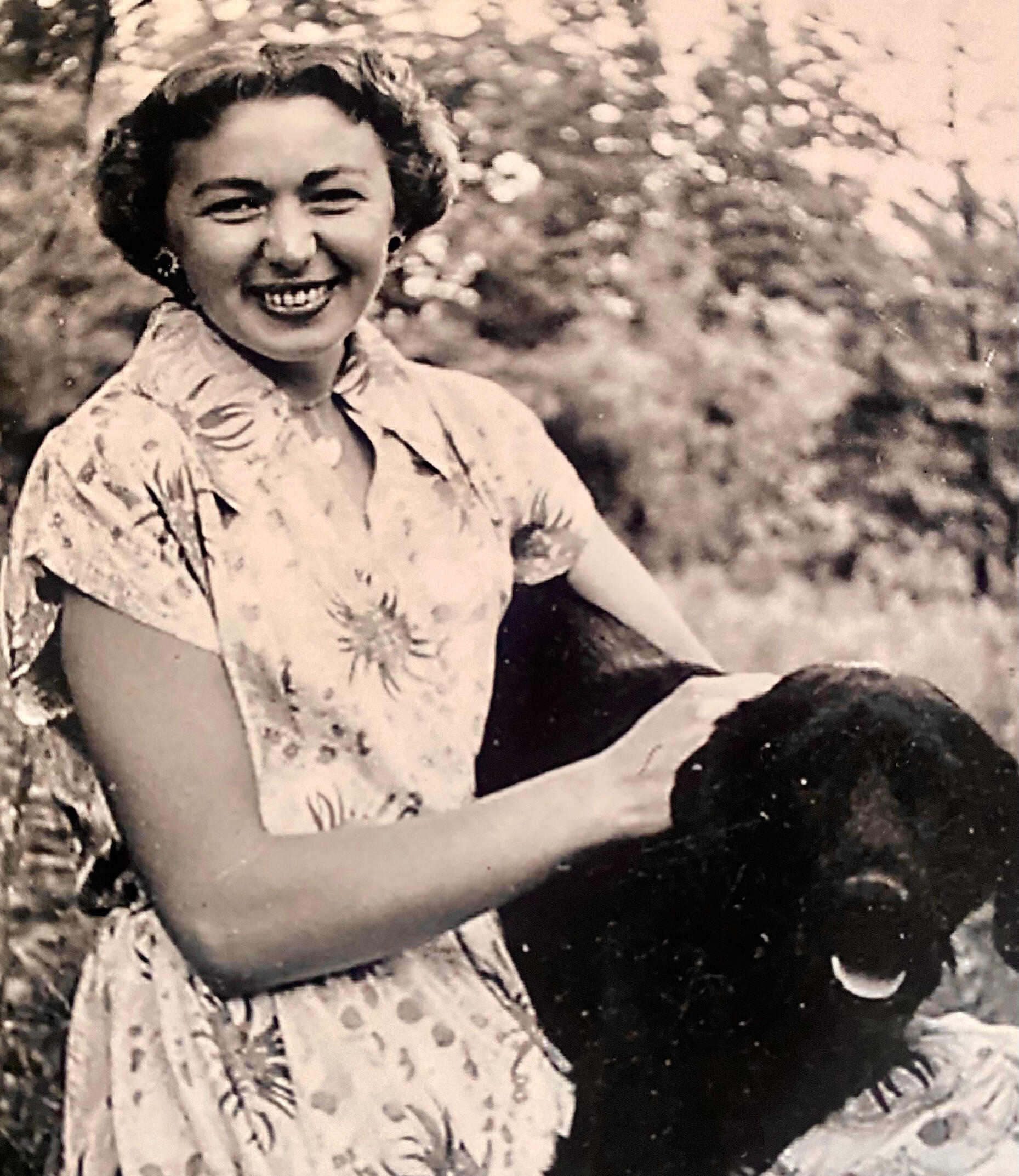
My mother’s life was filled with hardship, tragedy, and, ultimately, a remarkable triumph of the human spirit. The woman I knew was brave, determined, resilient, and simply complex. She carried the scars of a painful past, but she also carried a strength, humor, and wisdom that came from surviving experiences few people could ever imagine
To truly understand her, one would first have to understand the world she was forced to endure. She was orphaned at the age of fourteen, left without siblings, without a family to lean on, and without anyone to protect or guide her. In the dead of World War II, in worn torn Poland, she was a young girl forced to navigate life completely on her own. She lived in poverty, surrounded by danger, uncertainty, and fear, never knowing what each day would bring. Survival was not a choice for her—it was a necessity.
During the war, she witnessed horrors no child should ever have to see. She watched her cousin get shot in the back by the Nazis while attempting to cross the town border. They were trying to reach their uncle’s farm, knowing that he always kept milk and eggs for them—basic necessities that had become rare and precious in a world where hunger and desperation were everywhere.
To survive, my mother endured situations that were both humiliating and terrifying. Every single time she tried to visit her uncle, she was forced to polish the boots of Nazi soldiers, the very people responsible for the suffering and destruction surrounding her. They took her pens and whatever small belongings she had, using their power to intimidate and control her. Yet even in those moments of fear and helplessness, she found ways to endure. She learned how to navigate danger, protect herself, and survive by leaving school at the age of 14 to work in a sewing factory.
But her story did not end there. I want to take you through her incredible journey of leaving Poland and making her way to Canada as a young woman, only to face another life-altering challenge when she was diagnosed with tuberculosis.
I want to share the story of how she found love, married, and became a mother to three children.I want to share how, amid building a family and a life, she developed schizophrenia.And, I want to share how our family watched her struggle with her diagnosis, her medications, and her treatment.Her journey through mental illness was not easy. As a family, we experienced the fear, confusion, and heartbreak that comes with watching someone you love, battle an illness you do not fully understand. But we also witnessed her courage, her perseverance, and most importantly her healing on the other side.We watched as she found stability again and rediscovered love with the man who stood by her side through it all, remaining with her through her final years.Her story is truly fascinating. Her bravery as a young girl was extraordinary, and some of the stories from her life were surprisingly humorous. While writing this, I have laughed, I have cried, and I have uncovered emotions I had buried for years. Yet when I look back, I can see clearly that every experience she endured, every challenge she overcame, and every moment she fought to survive helped shape me into the person I am today.
My greatest hope by sharing her story is not just to honor her, but also in the hope that it may help other families who are living with a loved one affected by schizophrenia. Although we have come a long way in understanding and treating mental health conditions, we certainly have a long way to go. My mother’s life was a journey of survival, resilience, love, illness, healing, and hope. It was a life marked by unimaginable challenges, but also by incredible strength.
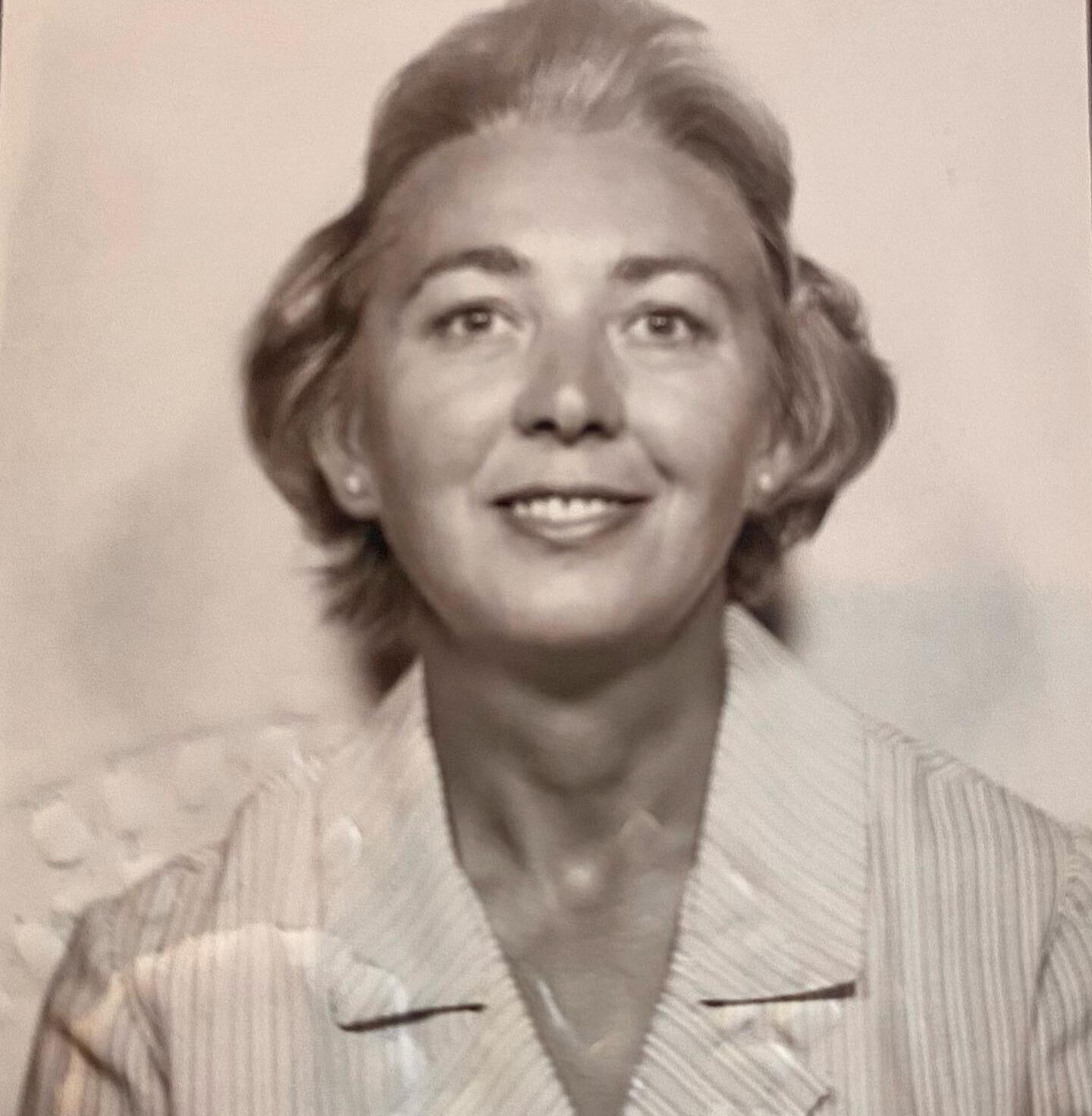
This is her story.
Stories, reflections, and lived experiences.
Where My Mother Ended ......
A story of a childhood shaped by love, loss, and the gradual realization that something in my family had changed.
The Unthinkable Happened……..
Leaving Montreal was supposed to give my family a fresh start, but instead it marked the beginning of one of the most frightening chapters of my childhood.
The Long Bus Ride Home
After three weeks apart, seeing my father again brought hope—but it also marked the moment I became my mother’s caregiver.
The Motherland
A long-awaited trip to Poland brought our family hope—but also revealed the trauma my mother had carried for decades.
Reclaiming What She Lost
Returning to her childhood home brought my mother face-to-face with the life she had lost—and the strength that had carried her through it.
Where My Mother Ended and Her Sickness Began
There were many layers to telling the story of my mother’s life, and at times I struggled to put the pieces together in the right order.I do not want my mother to sound like a monster, because she was far from that. She was a woman who became very ill, and that distinction matters.Before fear, confusion, and the painful memories that would come later, there was love.My earliest years with my mother, especially my preschool years, were filled with warmth, comfort, and moments I will always cherish. Some of my happiest memories are of her love, her presence, and the feeling of safety I once knew as her child. She taught me so much, and all that she taught me, I carry with me to this day.But illness can slowly change a person, and for a young girl, it was difficult to understand where my mother ended and her sickness began.As I began putting together the story of her life, I realized that although this was my mother’s story, it was also mine to tell—because her illness shaped my childhood, my family, and the way I came to understand love, fear, and loss.So, I begin where my own memories first started to shift—when I was old enough to realize something may have been wrong.I was eight, maybe nine years old, when I remember saying to my father, “Dad, I think Mom is mental.” Of course, that’s not language anyone would use now, but I was a child and didn’t know any better.We lived on the West Island of Montreal, in the suburb of Dollard-des-Ormeaux. From the outside, we should have looked like a normal suburban family. But by then, my mother was beginning to show unmistakable signs of psychosis.Even something as ordinary as grocery shopping could turn into a nightmare.As we moved up and down the aisles, my mother would suddenly target someone with her shopping cart, deliberately crashing into them. Then she would loudly accuse the startled stranger of hitting her first. She would call them Nazis, scream profanities, and curse at them with shocking vulgarity.I remember feeling utterly humiliated. I wanted to disappear, to crawl under a rock while everyone stared.But there was one incident, when I was about nine years old, that truly solidified the realization that our family was different.We were driving out of our suburb onto a main road where construction crews were working. A small backhoe was reversing nearby. I can’t remember every detail clearly now, but I think my mother should have stopped and waited. Instead, she kept driving forward.The backhoe clipped the side mirror of her car. My mother slammed on the brakes, jumped out of the car, and erupted. She screamed hysterically at the driver, hurling obscenities at him in a rage that felt completely out of control.The driver looked horrified. He kept apologizing and backing away while my mother continued shouting at him.That was the moment I realized I might actually be afraid of my own mother.When my father came home from work that evening, I ran to him. I had to tell him what had happened. Again, I remember saying, “There’s something wrong with Mom. I think she has a mental illness.”I can’t clearly remember my father’s response, but I do remember his anger toward my mother. Looking back now, I don’t think his anger helped her — or any of us — considering the state she was already in.But as a frightened little girl, all I really wanted was reassurance. I wanted my father to tell me everything was going to be okay. I wanted him to protect us and to get my mother the help she so clearly needed.Those early days of my mother’s illness taught me to watch for every warning sign—to stay alert for what might come next. They also opened my eyes to my father’s shame, frustration, and helplessness. He didn’t know how to carry it all, and in many ways, that was the beginning of when I felt I had to.More to come......
The Unthinkable Happened……..
Our family's life in Montreal was about to take a dramatic turn.The rise of the separatist FLQ movement— and the violence that accompanied them—was taking a growing toll on Anglophone businesses throughout Quebec. As uncertainty mounted, many companies were forced to make difficult decisions about their future.The American company my father worked for ultimately decided that the risks of staying in Montreal were too great. They felt closing that office, and transferring him back to Toronto, was best for everyone.In an instant, that decision changed the course of our lives, setting in motion a chain of events that none of us could have foreseen.The idea of leaving Montreal weighed heavily on my mother. She was very unhappy about the
move and struggled to accept the thought of starting over. It was difficult for my father to understand why she felt that way. From his perspective, returning to Ontario offered the opportunity for a fresh start. He believed that returning to Toronto would be beneficial for
her—that being back in Ontario, closer to familiar surroundings and support, might help her regain some sense of stability. My mother saw it very differently.My dad had very little time to find us a home in a decent neighbourhood where my mother — and the rest of us — could settle, while also trying to cope with her worsening mental health.Looking back, I am quite certain my father was panicking. He carried the weight of supporting our family, the responsibility for uprooting us and bringing us back to Toronto. I can only imagine the pressure he was under as he tried to do what he believed was best for all of us.Most weekends, he flew to Toronto to find us a house, leaving us behind in Montreal. We stayed
with my mother and hoped for the best, but things were spiraling. Her paranoia deepened, and she became convinced that my father’s employer was connected to the Nazis and was plotting to take her away from us.It is difficult to explain what that felt like at my age. I found myself trying to reassure my own mother that what she believed was not true. No child should have to carry that kind of stress.One memory from that time has stayed with me; when my father was away, the neighborhood
seemed to change. Parents grew hesitant to let their children come to our house to play. Even then, I understood why. Their uneasiness wasn’t aimed at me, but it still hurt. I felt the quiet isolation closing in around our family, and it left a lasting mark on me.Reflecting back to that time, the growing separatist movement in Quebec—and the violence that reached its peak in the October Crisis—added another layer of anxiety to our neighbourhood. Ours was a predominantly English-speaking community, and the kidnappings, the murders, left many families frightened and on edge. As the tension spread throughout the
province, it was an especially unsettling time for many Anglophone families in Quebec. As a child, I didn’t fully understand what was happening, I only sensed that something had shifted, and that the adults around me were more watchful and protective than before.All I knew was that I went to bed frightened, and I woke up frightened. My mother's incoherent
ramblings about the Nazis were confusing and, to a nine-year-old, terrifying. I was too young to
understand that her words were the product of a serious mental illness. At the time, they felt absolutely real.My father eventually found us a home in a new subdivision in Mississauga but the house was
still under construction, so we had to move into a rental home and wait for our new house to be completed.I have very little memory of the move itself. What I do remember is starting Grade 5 in a new
school, quietly hoping that my mother wouldn't create the kinds of public scenes that had become a regular part of our lives in Montreal. Like most children, all I wanted was to fit in. I desperately hoped that, somehow, this new beginning would be different.Unfortunately, our hope for a fresh start did not last.My mother found a job at Kmart, and we were genuinely excited for her. We hoped the purpose and routine might help her begin to heal. It lasted only a week.One afternoon, she came home unexpectedly. She sped up the driveway, parked on the front
lawn, jumped out of the car, and began shouting profanities. Through her anger, she told us she
had been fired.To this day, I don't know the real reason she lost her job. I can only assume that the behavior we
had witnessed at home had begun to surface in the workplace as well.Living in that rental home with my mother, whose mental state had become profoundly unstable, was the hardest period of my childhood. There were daily outbursts, escalating violence, and a constant sense that we never knew what might happen next.She often drifted into conversations with herself, laughing for no apparent reason. I remember
asking, “Mom, what are you laughing about?” She would smile and simply reply, “Nothing, dear.
You wouldn’t understand.”At the time, I accepted her answer because I didn't know what else to do. Looking back, I realize those moments were another heartbreaking reminder of how deeply her illness had taken hold.Then something unthinkable happened.One night, I was jolted awake by screaming. I found my mother hitting my father with the steel
pipe from the vacuum cleaner. She screamed at him while he did everything he could to protect
himself and us from the chaos.I do not know how long it lasted. Time seemed to stand still. I remember feeling terrified and
helpless, unable to understand why it was happening.The next morning, I woke to find my father with a packed suitcase. Without saying much, he was preparing to leave. He looked at us quietly and said he could not do it anymore. He needed to go away and think.With those few words, he walked out the door, leaving us alone with a mother whose mental illness was growing more severe.As a child, I didn't understand the impossible position he was in. All I knew was that my father was gone, and the only parent I had left was slipping further and further away from us.I often think about how different things were then. There were no cell phones, no text messages, no way to know where my father was or when he might come back. There was simply silence.Each morning, we got up, got dressed, and went to school as though everything was normal. We smiled when we were expected to smile, answered our teachers' questions, and pretended that life was okay. But behind our front door, our world was falling apart.
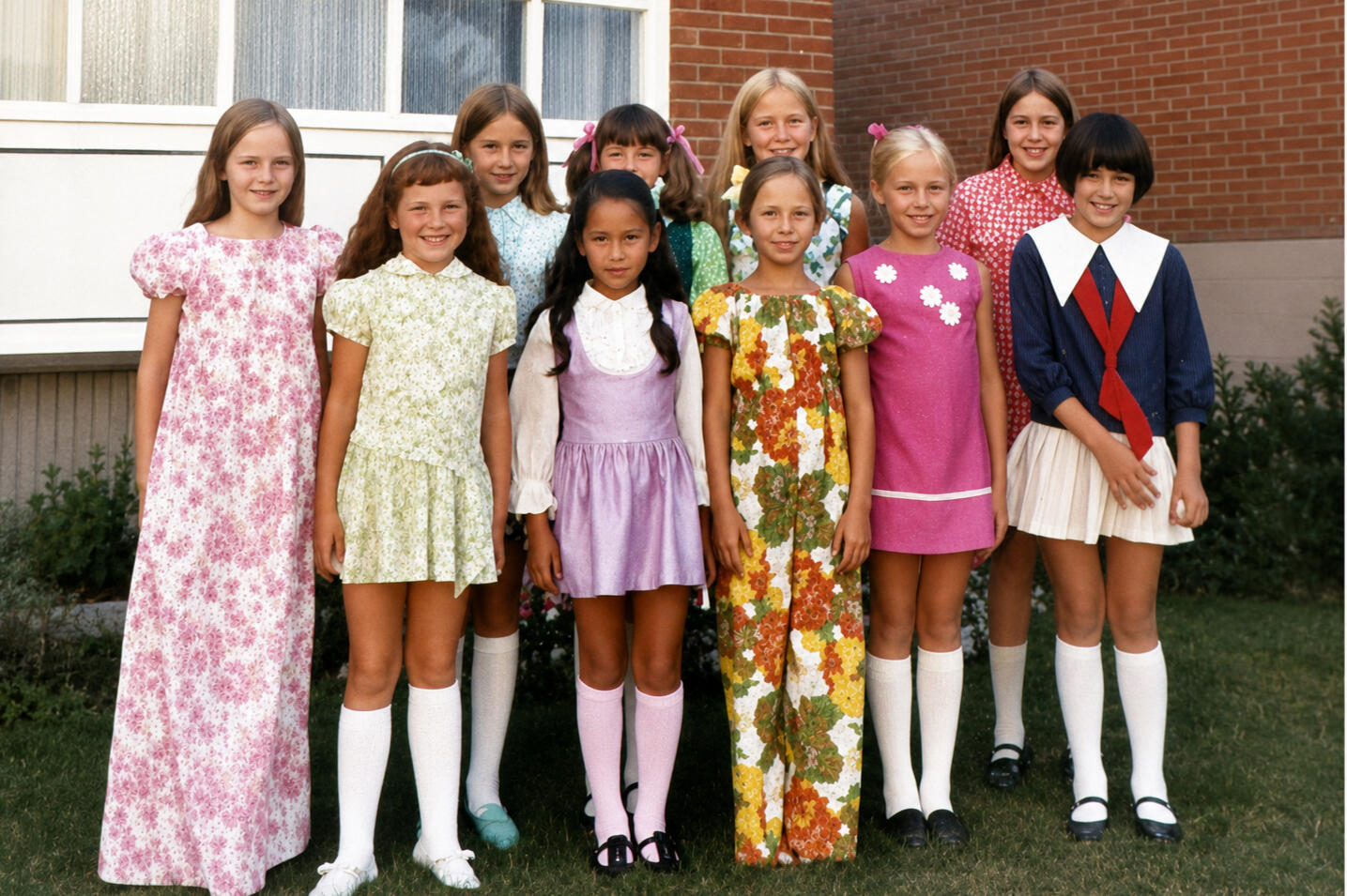
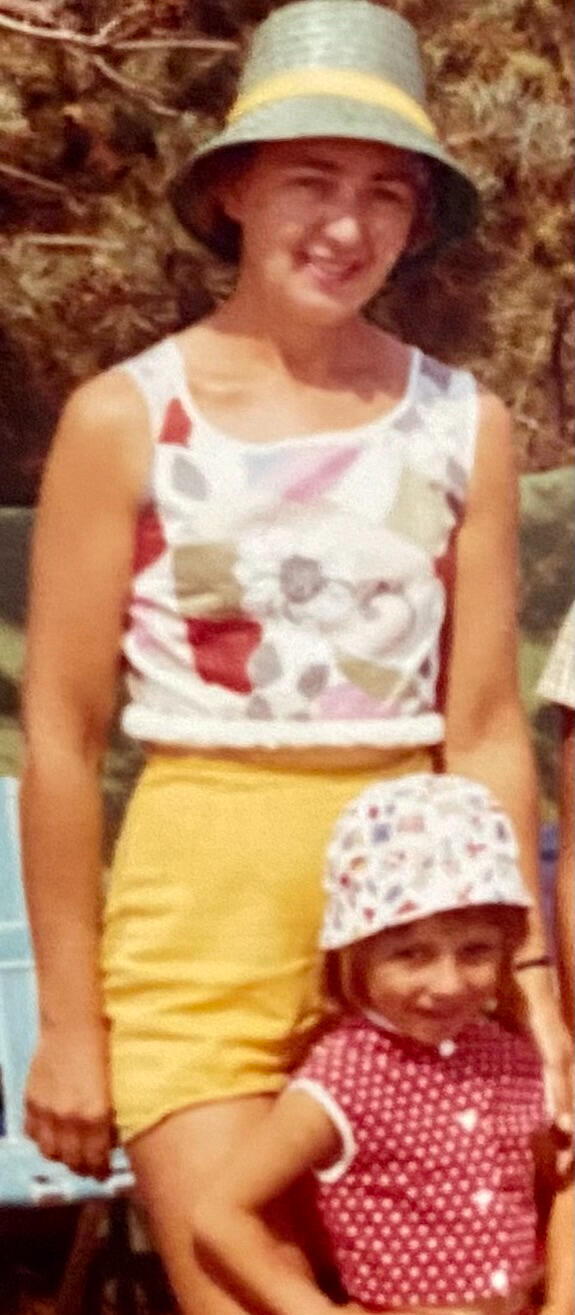
This was the last birthday party I had. It was August of 1970. Although my mom was very unstable, she wanted me to have a party with my friends before we moved away. I was so grateful she did that for me.
The Long Bus Ride Home
Three long weeks passed before I saw my father again.One afternoon, he asked me to meet him at a McDonald's after school. As soon as classes ended, I hurried onto the bus, eager to see him. When I arrived, I sat alone on the restaurant patio, anxiously waiting for him. I must have looked like a frightened young girl, watching every car that pulled into the parking lot, hoping it would be him.Those three weeks had felt like an eternity. I didn’t know where he had been or when I would see him again. I only knew how much I missed him.Then I saw his car pull in.The instant he stepped out and smiled, I felt the weight I had been carrying begin to lift. His face lit up when he saw me, and for the first time since he had walked out our front door, I felt a sense of safety and relief.In that simple moment, sitting outside on that patio, I knew I hadn’t been forgotten.It felt so good just to sit with my dad again. I couldn’t wait to tell him everything that had happened over the past 3 weeks. I told stories about school, the friends I had made, and how much I was enjoying middle school. English had quickly become my favourite subject, and music class gave me something to look forward to each day.I shared with him how excited I was about the neighbours across the street. They had three boys and they welcomed me into their home. Their father had built a Volkswagen dune buggy and taught all of us how to drive the standard motor. Driving that dune buggy was a thrill for the tomboy that I was. Looking back, that family was a saving grace, offering me a brief escape from the chaos at home to be a kid.I then asked my dad how he was doing, and he told me he was working a lot to keep himself occupied because he missed us very much. He said he was staying in a motel not far from home, which brought me a sense of relief.Beyond that, he shared very little about what he was going through. The only other thing he did state, was the fact that he had to try to figure things out.For a little while, it almost felt normal to be together again. Then the conversation turned to my mother.My father asked how she was doing and, more importantly, what life at home had been like since he had left.Something inside me changed. I remember beginning to feel angry. How could he ask me that? Had he forgotten that I had witnessed my mother beating him with a steel pipe in the middle of the night? Did he ever stop to think about what it was like for me after he left? Did he realize he was leaving me alone with the very person who had attacked him?As a child, I lived with a fear I could barely put into words. If she could turn on my father so violently, what was to stop her from turning on me next? Every day after he left, that fear lingered in the background. I never knew what we were coming home to or what might trigger another frightening episode. Home no longer felt like a place of safety—it felt unpredictable, and I was left to navigate it alone.Everyday, it became more painful to watch my mother unravel. It was heartbreaking to see the woman I loved slowly disappear into her illness.My father had left me alone with a woman who was becoming increasingly withdrawn and emotionally unreachable. My mother rarely spoke anymore. She struggled with even the simplest household tasks. Home was no longer a place of comfort—it had become a place where I simply tried to cope each day.I chose not to be angry and told him everything I could. I described how distant she had become, how difficult life at home was, and how frightened and confused I often felt. I was hoping he would have answers—that he would tell me what to do, or that somehow, he would make things better.But he didn’t.There were no suggestions, no plan, and no words of reassurance. Looking back, I realize he was probably overwhelmed himself and had no idea how to deal with my mother’s illness. But as a young girl sitting across from her father, all I knew was that I needed him to tell me everything was going to be okay.He couldn’t.As our visit came to an end, my father quietly told me he wasn't quite ready to come home. It was those words that crushed me.
I remember pleading with him, telling him that we really needed him home. I needed him home. Our family was falling apart, and I didn't know how much longer we could survive without him. I hoped that if he could just hear the desperation in my voice, he would change his mind.He didn't.As I reflect on those years, I can see beneath my mother’s erratic behavior. She was a woman, deeply afraid. She didn’t know how she was going to function, how to manage the relentless voices she was hearing, or how she could continue caring for her family when she was fighting a battle within her own mind every single day.
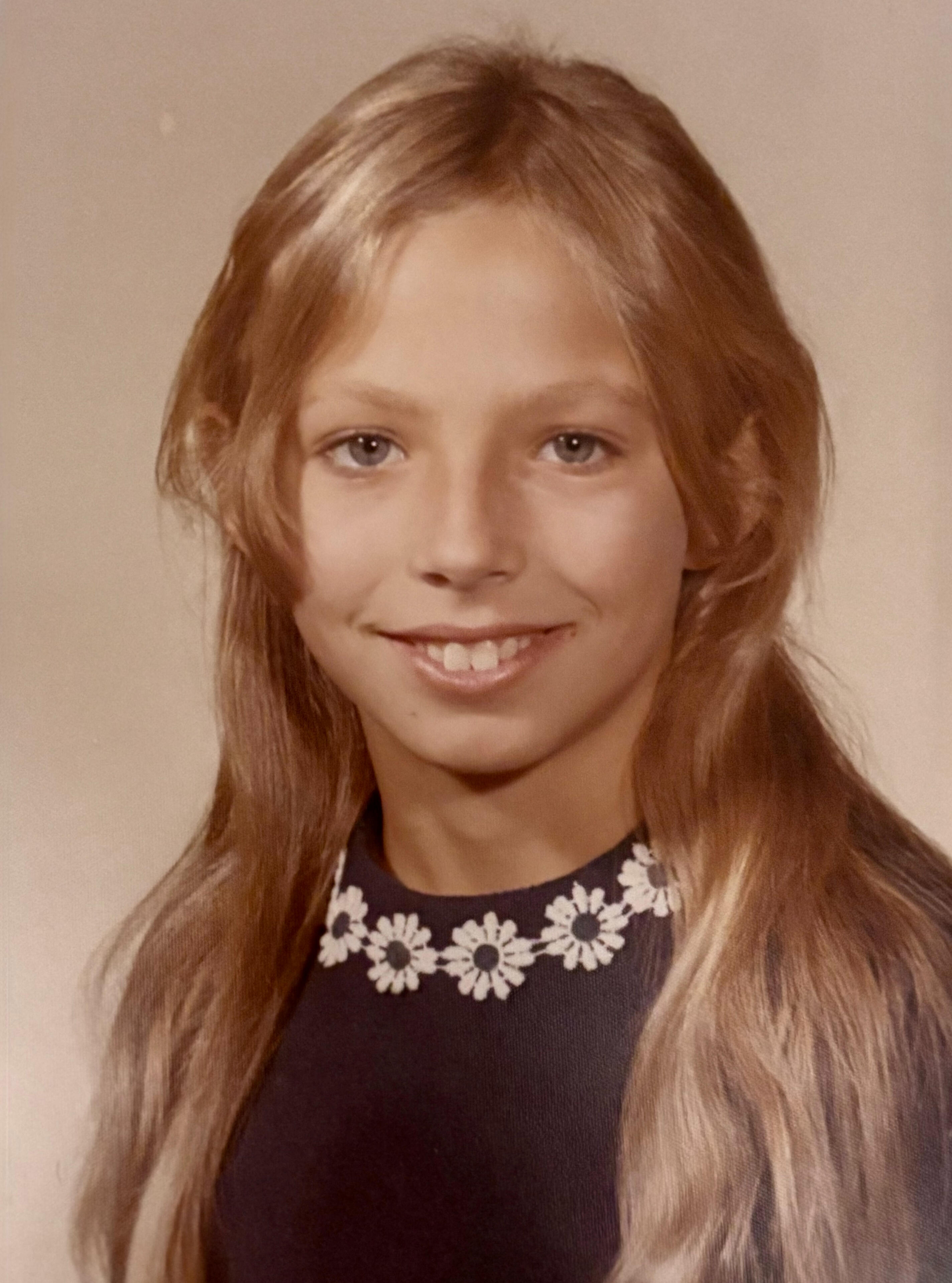
As he watched me climb onto the bus, he waved goodbye. I waved back, knowing I was returning to a home that no longer felt safe or predictable. As the bus pulled away, I watched him disappear from my view, and with him went the only sense of security I had felt in weeks. The brief comfort of being with my father was over, and once again I was going back to face the uncertainty that had become my everyday life.I realized then; it was the beginning of a profound role reversal. Instead of being cared for by my mother, I slowly became her caregiver. I found myself watching over her, worrying about her, and trying to hold our home together in ways no child ever should. Piece by piece, my childhood was replaced by responsibility.
More to come………
The Motherland
Well, my father came back home after a couple of weeks, much to my relief. What happened during that time is a blur. I can't remember whether my mother saw a doctor or whether she was simply so relieved to have my father home that, for a while, it eased her anxiety and quieted the turmoil in her mind.Whatever the reason, she did her very best to be what I called "normal." She became more talkative, more engaged, and more attentive to our family. She started cooking meals again, and I was incredibly grateful. After weeks of living on box after box of macaroni, sitting down to a home-cooked meal felt like a small miracle.
She even started doing the laundry again, something I was especially thankful for because I had begun wearing the same clothes repeatedly. Some readers might wonder why I didn't simply do the laundry myself. The truth is that I wasn't allowed to. My mother was convinced that if I touched the washing machine, I would somehow break it. Looking back, I understand that this was another manifestation of the fear and distorted thinking that accompanied her illness. At the time, though, I simply accepted it as one more rule in our unpredictable home.
During those weeks, my mother also managed to take me to Bi-Way, the discount store, to buy a few new clothes. I was genuinely happy to have something clean and new to wear.Still, as a girl on the verge of turning 12, I couldn't help but notice the difference. All my friends were wearing Levi's jeans, while I showed up to school in polyester pants. It may seem like a small thing, but at that age, fitting in felt incredibly important. I was thankful for what I had, yet quietly wished I could look like everyone else.For a brief time, life seemed almost ordinary again, and I desperately wanted to believe that the worst was behind us.But back to my mother. She was on her best behaviour and seemed genuinely happy to have my father home again. My parents spent more time talking, and for the first time in weeks, they both took an interest in my school and in what was happening in my life.Our home felt calmer. For the first time in weeks, it seemed I could exhale. The constant tension that had filled every room seemed to lift, if only for a little while.
My mother still had her moments. She would slip into conversations with herself or suddenly laugh for no apparent reason. Those episodes hadn't disappeared, but they became less frequent. She seemed more in control, and as a child, that was enough for me to believe that things were finally getting better.It was during this period of renewed hope that my parents began talking about taking a trip to Poland after the school year ended. I was thrilled. I had always wanted to see the country where my mother was born, to walk the streets she had known as a little girl and catch a glimpse of the life she had lived before she came to Canada. While reflecting back, I think returning to her homeland was something my mother needed very much, and for the first time in a very long while, we had something wonderful to look forward to.As excited as I was to see Poland for the first time, I now realize the trip meant far more to my mother than simply introducing me to her motherland.She had been forced to leave Poland in the chaos of war, leaving behind not only her childhood home but also a lifetime of unimaginable loss. Her two infant brothers had died of tuberculosis and were buried without gravestones. I know now how important it was for her to return and honour their memory.Reminiscing, it feels as though my mother had unfinished business in Poland. She needed to reconnect with the place where her life began, to grieve the family she had lost, and perhaps to find some measure of peace.When I think about her life now, I am struck by her resilience. She survived the Second World War, lost her parents, became an orphan at the age of fourteen with no brothers or sisters to lean on, and somehow found the strength to build a new life in Canada. It is almost impossible to fathom the depth of loss and hardship she endured before she ever became my mother.
The weeks leading up to our trip were busy ones in our household. My mother threw herself into the preparations. She sewed several outfits for me and carefully shopped for new clothes so that we would look our best when we arrived in Poland. It was important to her that we make a good impression on our relatives.There were aunts, uncles, and cousins I had never met, and my mother made sure to buy gifts for every one of them. Our suitcases were packed to the brim, filled not only with clothes but with thoughtfully chosen gifts. We would be away for several weeks, and every inch of luggage space was used.The excitement in our home grew with each passing day. For the first time in what felt like forever, there was laughter, anticipation, and something that had been missing for a very long time—hope.
But on the day of our departure, my excitement suddenly gave way to fear.My father wasn't coming with us.
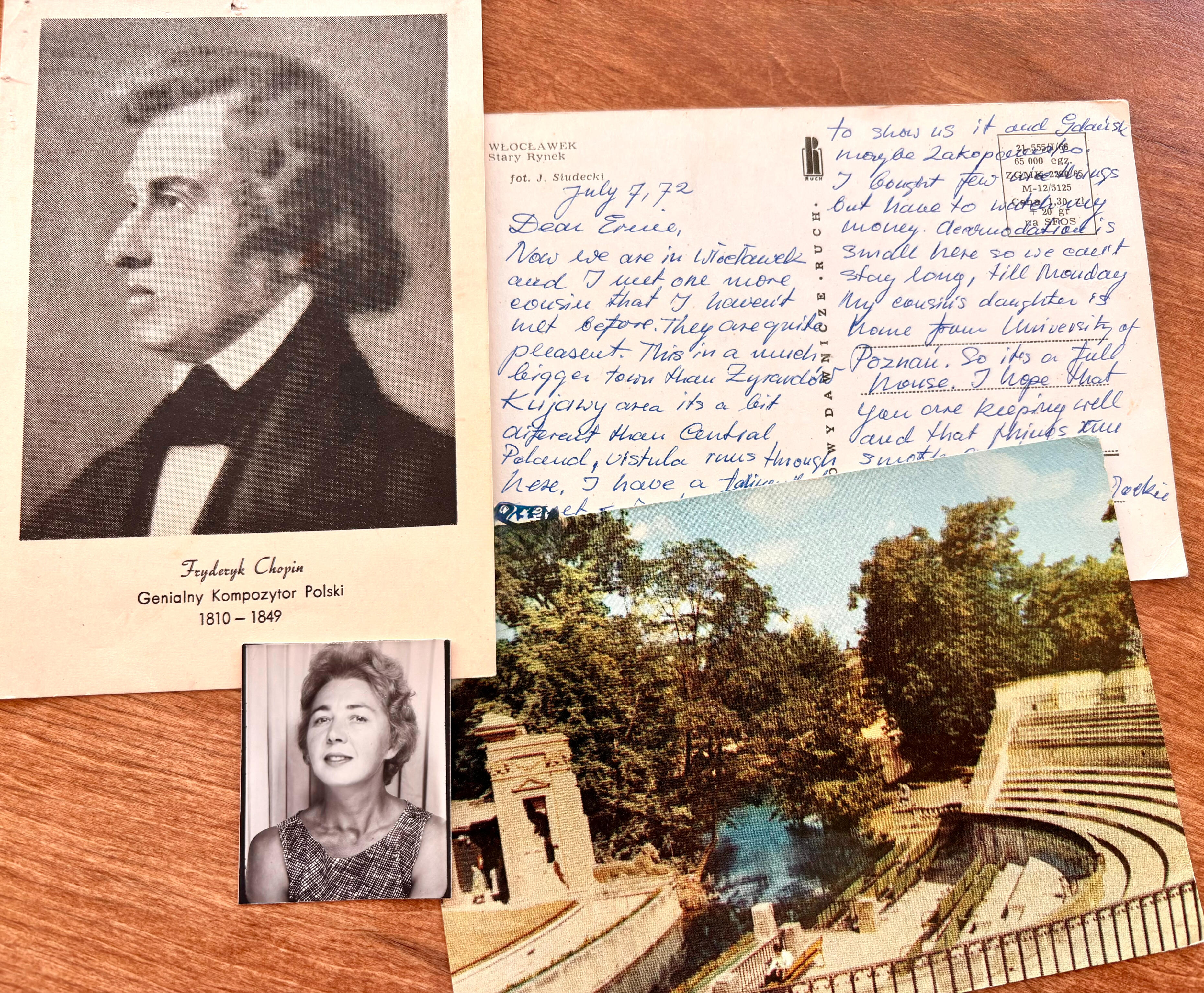
He would be staying behind in Canada while my mother and I travelled to Poland alone. As much as I wanted to see my mother's homeland, the thought of leaving my father behind unsettled me. After everything our family had been through, I wasn't sure I wanted to be separated from him again.The flight to Poland was long. I don't remember whether I slept. What I do remember was the feeling that an incredible adventure had finally begun. When we landed in Warsaw, one of my mother's cousins was waiting to meet us. We somehow crammed ourselves and our mountain of luggage into a tiny Fiat, I can still picture the drive, we were packed in like sardines.My mother's cousin was a stern man who worked for the government. At the time, I didn't fully understand that we were visiting a socialist country or what that meant. Those realities would become clearer as the weeks unfolded. We stayed with him, his wife, and their young son in their small apartment.
To my childhood eyes, it felt incredibly cramped. Despite the crowded quarters, none of that mattered to me. I could hardly believe I was seeing my mother's homeland, the country she had spoken about throughout my childhood and the place where so much of her story had begun.
My uncle's wife was not particularly warm or welcoming. As a child, I found her distant and difficult to warm up to. I sensed that the many gifts my mother had carefully packed and brought from Canada were expected rather than appreciated.I could see the disappointment in my mother's eyes. She had spent weeks shopping for thoughtful gifts for every relative and carefully packing each suitcase with love and anticipation. To see her generosity met with such little appreciation was upsetting. It was during this time that I truly noticed how emotionally fragile my mother was.These were family members she hadn't seen in many, many years. She had returned to Poland hoping to reconnect with them, longing for the warmth, love, and sense of belonging she had been denied for so long.Nevertheless, we settled in that first night, and the next day our adventures in Warsaw began. We wandered through the city, visiting many of its historic landmarks. It was my first glimpse of my mother’s homeland, and I was mesmerised by its history and captivated by its beauty.One fascinating experience was visiting the black market, where I began to understand that we were in a communist country. Many of the things I had always taken for granted in Canada were difficult to obtain and considered a luxury. We shopped for what we though of as normal treats.One thing that shocked me, though, was the number of buildings still riddled with bullet holes. My mother explained that they had been left by the war. I couldn't believe that, nearly thirty years later, the evidence of so much destruction was still all around us. It was the first time history felt real to me—not something in a book, but something I could see with my own eyes.That stayed with me. Her scars ran deep. I was beginning to understand that my mother's emotional trauma wasn't something she could simply leave behind. Returning to Poland meant returning to memories that had never truly disappeared. For the first time, I began to grasp the trauma she carried for so many years.We lasted only a week at Uncle Lolek's. One day, while I was outside playing with the new friends I had made, an argument broke out inside the apartment. I never learned exactly what had happened. However, at times, I caught small glimpses of my mother’s illness, subtle signs that the struggles were still there. Just like that, we were hurriedly packing our suitcases and leaving for the home of another relative.As a young girl, only one question ran through my mind: What did my mother do?
Reclaiming What she Lost
We boarded a train bound for my mother's hometown of Żyrardów, where we would spend time with her elderly aunt and visit other family members. When we arrived, it was a stark contrast to Warsaw. Her aunt lived in an old farmhouse without running water or an indoor toilet. By Canadian standards, it was very primitive, but I loved being there.From the moment we arrived, we were treated like royalty, which was exactly what my mother needed. After everything she had endured, she was surrounded by people who loved her unconditionally and welcomed her home with open arms. Our beds were simple but wonderful, piled high with soft feather duvets that made us feel warm and safe each night.My mother was so happy. As she reminisced with her aunt and cousins, I watched her laugh, smile, and reconnect with the people who had known her before the war changed her life forever. Seeing her so joyful made my heart swell. For a little while, it felt as though she had found a piece of herself again.
Żyrardów was where I truly began to understand my mother’s early life. We found that my mother’s childhood home was still standing, a small farmhouse with a thatched roof and animals moving through the property. For me, it was like stepping into another time.But what stayed with me was not the setting itself, but what it revealed. As I watched the tenants go about their daily lives, I began to understand how little my generation truly grasped what our parents had endured—especially my mother. The war and its aftermath were no longer distant stories. I was standing in the very place where her life had been shaped.This was also the place where my mother’s father had died. It was where she was forced to leave school as a young girl to work in a sewing factory. And it was where, night after night, she walked home alone while Nazi soldiers occupied and surrounded the town.Standing there, it was impossible not to see her differently. The carefree childhood that most children take for granted had been stolen from her. In its place were responsibility, fear, and a determination to survive.Only years later, through my own research, did I learn that my mother wasn’t forced to leave school solely because she needed the income. It was also the result of Nazi policy.In the fall of 1939, the massive textile factory in Żyrardów was seized by the Nazi Military. Like so many young girls, my mother’s education ended abruptly, and she was forced to work in that factory instead.
Under the Nazi occupation, Poles were viewed largely as a source of manual labour, and my mother became one of those workers. Forced to leave school, she went to work in the textile factory in Żyrardów, where she endured gruelling twelve-hour days.She was still so young, yet the life she should have been living—going to school, being cared for, and simply being a girl—had been replaced by long days of exhausting factory work and the daily struggle to survive a country under occupation. For my mother, there was no real choice. She worked because survival demanded it.Each day she laboured in a place controlled by the occupiers, and each night she made the lonely walk home through a town living under constant fear.Standing there decades later, I finally understood that my mother’s childhood had not simply been interrupted—it had been taken from her.My mother, meanwhile, was focused on something deeper. She was determined to find the deed to her childhood home and reclaim what had once belonged to her family. It was never just about land.
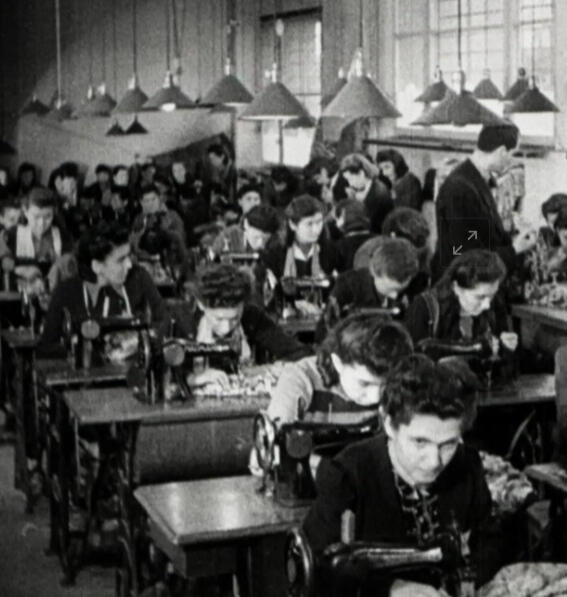
I was very proud of my mother while we were in her hometown. None of our relatives owned cars, so we had to find our way around town by bus. Back home in Canada, my mother relied so heavily on my father that I had never really understood just how independent she could still be.But here, in the town where she had grown up, I saw a different side of her. She knew where she wanted to go and somehow figured out how to get us there. There were confidence and perseverance in her that I hadn’t seen in a long time. In some ways, it felt as though being back in familiar surroundings had awakened a part of the woman she had once been—the young girl who had learned very early in life how to survive on her own.And she had a purpose. My mother was determined to take back her family home. To her, it wasn’t simply a piece of property. It was the place where her family had once been together, the place where her father had died, and one of the few tangible pieces of her childhood that remained. It was about recovering a part of her life that had been taken from her long before.Watching her navigate the town with such determination made me see her differently. Beneath all the fear and dependence, I had witnessed back home, was still that fiercely independent woman—a survivor who, when something mattered deeply enough to her, refused to give up.My mother was able to locate the deed in the city records, proof that the property had once belonged to her family. With that document in hand, she began the difficult process of trying to reclaim her family home.But it proved to be an impossible battle. Under Poland’s communist regime, properties deemed abandoned during or after the war could be taken over by the state. Because my mother had been forced to leave Poland, her family home had fallen into that category and was now considered state-owned property.The bitter irony was that my mother had never truly abandoned her home. War, loss, and circumstance had forced her to leave it behind. Now, after all those years, she had returned with the deed in her hands, only to discover that proving it had belonged to her family did not mean she could have it back.
My mother was absolutely devastated to learn that her family home no longer belonged to her. I could see how deeply the news affected her. This wasn’t simply about losing a house or a piece of land. That home represented her parents, her childhood, and the life she had known before the war changed everything.In that moment, I think she felt as though she had lost another piece of herself. She had already lost her parents, her brothers, her childhood, and eventually her homeland. Now, after returning all those years later, she discovered that even the home that connected her to those memories had been taken from her.She had come back hoping to reclaim something from her past. Instead, she was confronted with yet another loss.As my mother tried to recover from the devastating realization that her childhood home was lost to her forever, we moved on to visit her uncle—the man who had helped her survive when food was scarce during the war.He had been there for her during some of the darkest years of her young life, when she was orphaned and struggling simply to find enough to eat. In a time when so much had been taken from her, his kindness had meant survival. After the heartbreak of losing her family home all over again, perhaps seeing him reminded her that not everything from her past had been taken away.
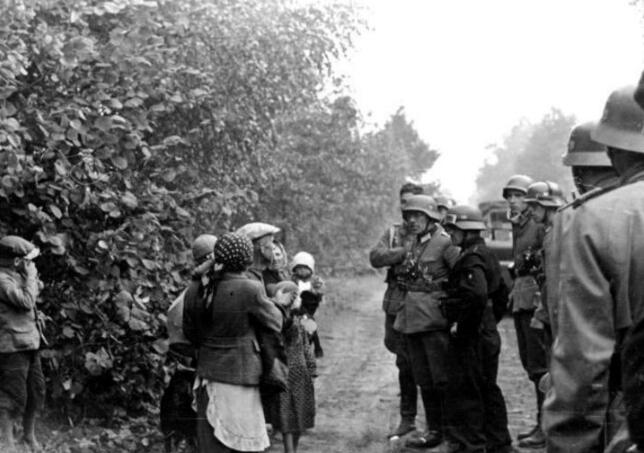
By then, he was older than time itself. He had outlived two wives and seemed almost larger than life to me. Watching my mother with him, I understood that this visit was about much more than seeing an elderly relative. She was standing before one of the few people still alive who remembered the frightened young girl she had once been—and who had reached out a hand when she desperately needed one.I watched as they became deeply engrossed in conversation when suddenly I noticed a change in my mother. Her body seemed to tighten, and I could see tears beginning to well in her eyes. Whatever they were talking about had touched something painful inside her.She wanted no part of the conversation. Without saying much, she stood up and quickly walked out of the room. I immediately ran after her, worried and wanting to know what was wrong.I soon learned they had been talking about her cousin, who had died during the war. He had been with my mother when she was trying to visit her uncle—the same uncle who had helped her survive when food was scarce.Many years later, I learned the full story. That cousin had been shot in the back by the Nazis while trying to bypass the town border on their way to visit their uncle.My great uncle was still deeply troubled by what had happened. Even after all those years, he could not understand why his nephew had chosen to go around the border instead of passing through it with my mother. As they sat together that day, he was trying to piece together those final moments, asking my mother what had happened and why her cousin had made that decision.
My great uncle was still deeply troubled by what had happened. Even after all those years, he could not understand why his nephew had chosen to go around the border instead of passing through it with my mother. As they sat together that day, he was trying to piece together those final moments, asking my mother what had happened and why her cousin had made that decision.
For my mother, however, those questions were not simply about the past. They forced her back into a terrifying moment she had carried with her for years. Watching her become overwhelmed and leave the room, I did not yet understand the weight of what she was remembering. I only knew that something in that conversation had caused her tremendous pain.For my mother, this wasn't simply a family story from long ago. It was a memory she had lived through, and even after all those years, the pain of it was still very much alive.My uncle quickly sensed my mother’s unease. He reached for her hands and pulled her into a warm embrace, reassuring her that it was all right. The past was the past, he told her, and there was nothing more that could be done to change it. What mattered was that they were together now, and they would move forward.I watched as his words seemed to calm her. There was no blame in his voice, only understanding. Whatever questions had lingered between them for all those years were gently put to rest.And in that moment, my uncle seemed to remember why we were there—and that I was there, too. He knew how much it meant to my mother for me to meet him, to know the man who had been so important to her during some of the hardest years of her life.She wanted me to see what made him so special to her.And special was exactly how he made me feel.Everything about that visit felt magical—the countryside, the warmth of our family, and the stories that seemed to come alive around the kitchen table.My great-uncle lived on a true working farm. There were chickens wandering about, goats and sheep in the fields, and vegetables growing from the earth. He was a farmer in every sense of the word—a man deeply connected to his land. Somehow, he had managed to keep the farm going throughout the war, and he continued working the land even after the communist regime took control of Poland. Through years of hardship and enormous change, the farm endured.There was something remarkable about that. So much had been taken from so many people, including my own mother, yet my great-uncle had managed to hold on to his land and the life he had built there. The farm was more than just a place to live. It represented survival, resilience, and a way of life that neither war nor communism could be taken from him.And I embraced that modesty. As a young girl from Canada, I had never been exposed to farm life like this before. Everything fascinated me—the animals, the endless vegetables fields, the simpler way of a life so different from my own. There was something wonderfully uncomplicated about it all, and I loved every minute of it. What may have seemed primitive to some felt almost magical to me. I wasn’t thinking about what they didn’t have. I was captivated by everything they did have.With one exception: the fresh goat's milk. No matter how hard I tried, I just couldn't bring myself to drink it.